Bone Health After Weight-Loss Surgery: What to Bring to Follow-Up
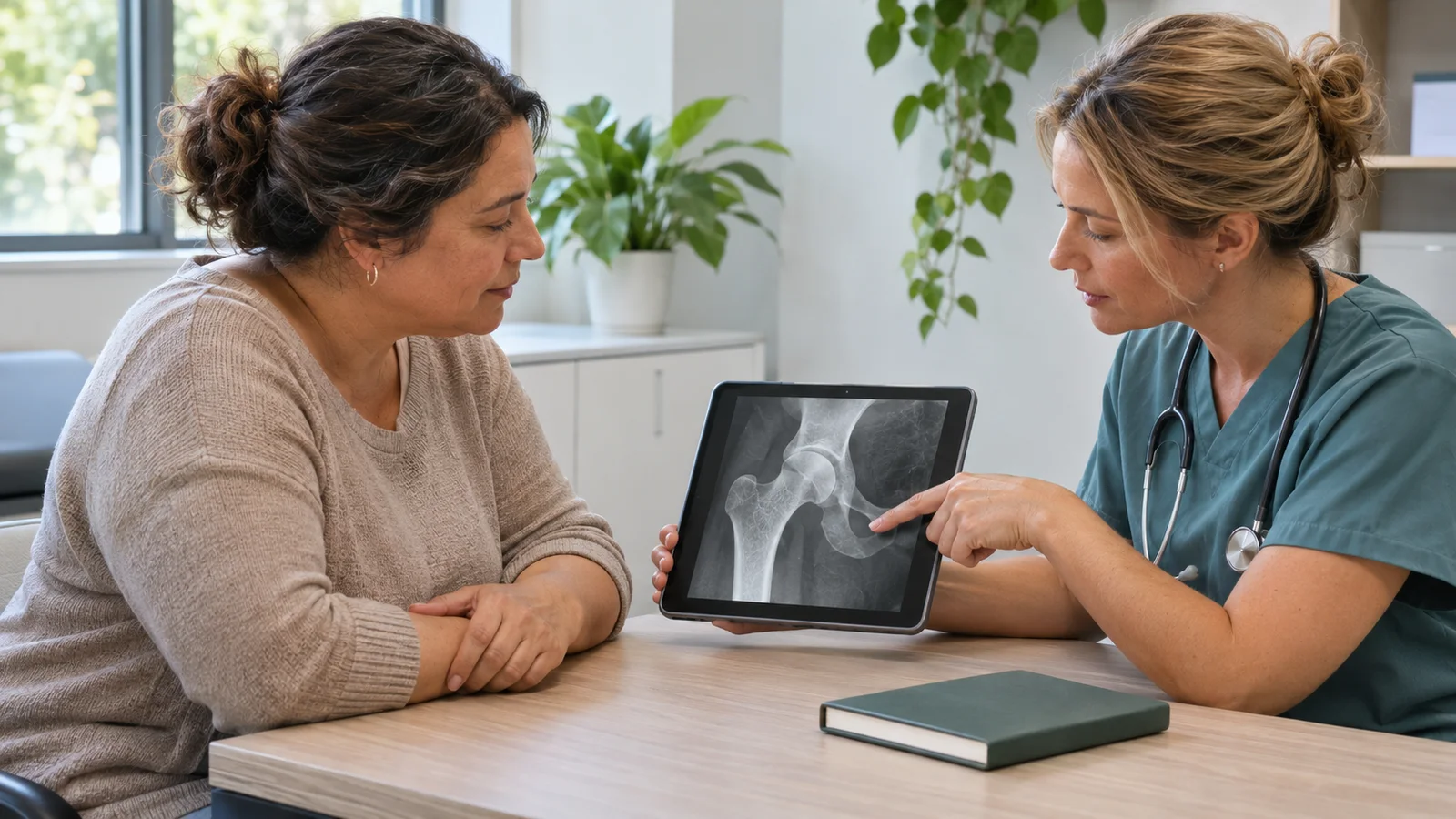
A follow-up after weight-loss surgery often centers on how eating is going, which supplements are tolerable, and what the latest blood tests show. Bone health can be easy to leave off that list. Bone loss generally gives little warning, and a calcium result marked normal does not tell you how strong your bones are. The most useful starting point is a conversation about your operation, fracture risk, and who will monitor you over time. You can have that conversation even if the surgery was years ago or you no longer see the original surgical team.
Readers interested in broader bone-health topics can review what The Bone Density Solution covers. It is a commercial guide. The follow-up questions below draw on bariatric and bone-health guidance, and your clinical team can explain how that guidance applies to your procedure.
Start with the name and date of your operation
Bring the name of your procedure, the date, and a discharge letter or operative summary if you have one. A sleeve gastrectomy reduces the size of the stomach without rerouting the small intestine. A Roux-en-Y gastric bypass reroutes part of the digestive tract. Other procedures can change nutrient absorption to a greater degree. The operation matters because two people who had surgery in the same year may need different follow-up plans. If you have had a revision, include both procedures and the dates. If you are unsure what you had, ask the hospital or bariatric team for the operative record.
Several changes can affect bone after surgery. A smaller food intake can make it harder to meet nutritional needs. Some procedures reduce calcium absorption. Rapid weight loss also changes the forces that muscles and body weight put on the skeleton. Research describes declines in bone mineral density after both bypass and sleeve surgery, although the size of the change and evidence about later fractures vary by procedure and study. Those group averages help explain why follow-up matters. They cannot tell you whether you personally have osteoporosis or how much your bone density has changed.
Bring a supplement list that reflects a real week
Take photos of the front and the Supplement Facts panel on each bottle, or bring the bottles themselves. Include a bariatric multivitamin, calcium, vitamin D, and any separate products you use. Write down the serving size and how many tablets, chews, or scoops you actually take. Labels can list a serving as two tablets, and two products can contain the same nutrient. A list that says only “one calcium” leaves the clinician guessing about the form, the amount, and how often you get it.
Include what gets in the way. Perhaps a chew makes you nauseated, a tablet is difficult to swallow, or a new work schedule disrupted your routine. Mention cost and availability if the product you were prescribed is hard to get. Tell the team if your calcium and iron are usually taken together, because timing can affect absorption. A bariatric dietitian or pharmacist can help review the formulation and schedule with you. Bring a short description of the foods you regularly tolerate, especially if your diet has become narrower because of discomfort or intolerance.
It may help to write down what happened on one busy day and one quieter day. For example, you might remember calcium at home but miss it on a long shift, or take a multivitamin regularly and stop a separate product when a prescription changes. That information can make an appointment more productive than trying to reconstruct a month of missed doses. Ask which changes to report between appointments, and let the team know if vomiting or ongoing difficulty eating is interfering with the plan. Changing doses on your own can complicate the interpretation of later tests.
Ask what the blood tests can tell you
Common tests in bone-related follow-up include calcium, albumin, phosphorus, 25-hydroxyvitamin D, and parathyroid hormone, usually shortened to PTH. The exact panel and timing depend on your surgery, previous results, and other health conditions. Calcium circulates in the blood under tight regulation. The body can sometimes keep blood calcium in range even while calcium intake or absorption is inadequate. Albumin helps clinicians interpret some calcium measurements, and PTH can help them look at how the body is regulating calcium. A blood test cannot measure the mineral density of your hip or spine.
A result outside the reference range needs context. For example, a clinician reviewing a higher PTH result may check vitamin D status, calcium intake or absorption, and kidney function before deciding what it means. A past report with the date and full results is more useful than an isolated number in a message. If you have had tests at more than one clinic, ask which team will compare them and contact you about changes. It is reasonable to leave an appointment knowing which tests, if any, are due next and who will arrange them.
One detail worth recording is when a test was taken relative to surgery. For someone just home from the hospital, an old laboratory report may describe nutritional status before major changes in eating and weight. For someone several years out, a normal result soon after surgery says little about how well the current routine is working. Some clinics review nutrition more frequently during the first year and move to longer intervals once the plan is established. If your visit is at a new clinic, ask which earlier results they need and whether they can request them directly. Keeping results by date also makes it easier to notice a gap in follow-up when you move, change insurance, or switch clinicians.
Ask whether a bone density scan would change the plan
Dual-energy X-ray absorptiometry, usually called DXA, estimates bone mineral density. Clinicians use it with other information when assessing fracture risk. A scan looks at a different part of the picture from blood work, so it can be relevant even when routine nutritional results are reassuring. Standard screening recommendations still matter after bariatric surgery. Clinicians may also consider scanning people with additional risks, such as a previous low-trauma fracture, older age, or being past menopause. There is no single scan schedule that applies to every patient after every procedure.
Tell the clinician if you have broken a bone after a minor fall, especially if it happened as an adult. Bring previous reports if you have them, including the date, facility, and sites measured. If you are comparing scans across substantial weight changes, ask how confidently the clinician can interpret the comparison. Changes in body composition and differences between machines can make some comparisons harder. The question to take into the visit is what a scan would help decide now, such as whether to investigate other risks or whether the follow-up interval should change.
Include strength, balance, and falls in the conversation
Fracture prevention also involves what happens when you stand, walk, or trip. If you have fallen, nearly fallen, or started feeling unsteady going downstairs, say so even if you were unhurt. Mention joint pain, reduced activity, or difficulty meeting the protein goals your bariatric team set for you. Strength and mobility are useful topics for a clinician or dietitian to consider alongside nutrition. Weight-bearing movement and resistance exercise can be part of a broader plan, with the type and timing adapted to surgical recovery, symptoms, and fracture risk.
Describe one everyday task you want to make easier. Carrying groceries from the car or getting up from a low seat gives the team something more specific to work with than “I should exercise more.” Ask whether a referral to physiotherapy or an exercise professional with relevant experience would help you get started. If you have new pain or a suspected injury after a fall, seek assessment instead of waiting for a routine bone-health visit.
Leave with a named person and a follow-up date
Follow-up often moves from the bariatric service to a primary care clinician. When that happens, confirm who handles supplement review, orders blood tests, and tracks any bone scan. Keep a copy of the plan with your medication list. If you have lost contact with the surgical team, start with the records you have and ask your current clinician what they can review and when a specialist opinion would be helpful. The operation can still matter long after weight has stabilized.
A short list for your appointment can be enough: the operation and date, your current bottles or label photos, past blood tests or DXA reports, and any falls or fractures. Before leaving, ask what the next appointment or test is for and when to expect it. For supplemental reading on general bone-health habits, you can also review the contents and format of The Bone Density Solution. Keep the clinical follow-up plan as the reference for decisions about testing, supplementation, or treatment.
Sources and further reading
- Endotext, Medical Management of the Postoperative Bariatric Surgery Patient
- American Society for Metabolic and Bariatric Surgery position statement on metabolic bone changes after bariatric surgery
- British Obesity and Metabolic Surgery Society guidance on postoperative nutritional monitoring
This article provides general education. Talk with your care team about your personal testing, supplement, and treatment plan.
RECOMMENDED READING
A practical guide for readers interested in bone densityA guide to bone density
The Bone Density Solution
A digital guide by Shelly Manning. Review the program overview and contents before deciding whether it is relevant to you.
- Topic: bone density
- Author: Shelly Manning
- Format: digital guide
 Secure checkout through ClickBank
This page contains affiliate links. We may earn a commission if you purchase through them, at no extra cost to you.