
The Chronic Kidney Disease Solution™ by Shelly Manning It is an eBook that includes the most popular methods to care and manage kidney diseases by following the information provided in it. This easily readable eBook covers up various important topics like what is chronic kidney disease, how it is caused, how it can be diagnosed, tissue damages caused by chronic inflammation, how your condition is affected by gut biome, choices for powerful lifestyle and chronic kidney disease with natural tools etc.
How does tailored exercise (aerobic + resistance) improve CKD fatigue and VO₂, what training trials show, and how does this compare with walking-only programs?
The Debilitating Impact of CKD and the Promise of Exercise 🏋️♀️
Chronic kidney disease (CKD) is a progressive condition that impacts millions of people worldwide. It is characterized by a gradual loss of kidney function over time, which can lead to a variety of debilitating symptoms, including overwhelming fatigue and a reduced capacity for physical activity. The fatigue experienced by CKD patients is often profound and significantly impacts their quality of life, leading to a vicious cycle of inactivity and worsening health. A key measure of physical fitness is V̇O₂, or maximal oxygen uptake, which represents the body’s ability to use oxygen during exercise. In CKD patients, V̇O₂ is significantly lower than in healthy individuals, and it is a strong predictor of mortality. For this reason, exercise has emerged as a crucial and highly effective non-pharmacological intervention for CKD patients, with tailored programs offering a more comprehensive approach than simple walking.
How Tailored Aerobic + Resistance Exercise Improves Fatigue and V̇O₂
A tailored exercise program that combines both aerobic and resistance training addresses multiple physiological pathways that are compromised in CKD, leading to a significant improvement in fatigue and V̇O₂.
- Aerobic Exercise (e.g., cycling, swimming, jogging): This type of exercise directly targets the cardiovascular system and improves the body’s ability to transport and use oxygen.
- Improved V̇O₂: Aerobic training strengthens the heart, improves circulation, and enhances the efficiency of the muscles’ ability to extract oxygen from the blood. This directly leads to an increase in V̇O₂, which is a direct measure of cardiorespiratory fitness. A higher V̇O₂ means the patient can perform daily activities with less effort, which in turn reduces the sensation of fatigue.
- Combating Anemia: Many CKD patients suffer from anemia, which contributes to fatigue. Regular aerobic exercise can stimulate erythropoiesis (the production of red blood cells), potentially helping to combat anemia and further reduce fatigue.
- Resistance Training (e.g., light weights, resistance bands): This type of exercise focuses on building muscle mass and strength.
- Reduced Fatigue: Muscle atrophy and weakness are common in CKD, and they are major contributors to fatigue. Resistance training helps to build and maintain muscle mass. Stronger muscles require less energy to perform daily tasks, which directly reduces a patient’s feeling of exhaustion.
- Improved Muscle Metabolism: Resistance training also improves insulin sensitivity and glucose metabolism in the muscles. This can lead to a more efficient use of energy and reduce metabolic stress, both of which are factors in CKD-related fatigue.
Evidence from Training Trials 📚
Clinical trials have consistently shown that a combined aerobic and resistance training program is highly effective for CKD patients. A landmark systematic review and meta-analysis of multiple studies found that a combined approach leads to a significant improvement in both fatigue and V̇O₂.
- V̇O₂ Improvement: The trials show that a combination of aerobic and resistance training can lead to a clinically meaningful increase in V̇O₂ in CKD patients, with improvements often in the range of 10% to 20%. This is a remarkable finding, as an increase in V̇O₂ of just a few percent can significantly reduce the risk of mortality in this population.
- Fatigue Reduction: The same trials consistently demonstrate a significant reduction in patient-reported fatigue levels. Patients report feeling more energetic, capable of performing daily activities, and a better overall quality of life. The reduction in fatigue is often a direct result of the physiological improvements in V̇O₂ and muscle strength.
Comparison with Walking-Only Programs ⚖️
While any form of physical activity is better than none, a walking-only program is not as effective as a tailored program that combines both aerobic and resistance training.
- Limited Impact on V̇O₂: Walking, while a form of aerobic exercise, may not be intense enough to provide a sufficient stimulus for a significant increase in V̇O₂. Unless a patient is able to walk at a vigorous pace, the cardiovascular benefits will be modest.
- Neglects Muscle Strength: A walking-only program does not address the muscle weakness and atrophy that are major contributors to CKD fatigue. Without resistance training, patients will not build the muscle mass necessary to truly improve their physical function and reduce their feeling of exhaustion.
- Overall Effectiveness: When comparing the outcomes of studies, combined aerobic and resistance training programs consistently show a greater and more comprehensive improvement in both fatigue and V̇O₂ compared to walking-only programs. The synergistic effect of building muscle strength and improving cardiovascular endurance leads to a more robust and lasting improvement in a patient’s functional capacity and well-being.
Conclusion
For patients with chronic kidney disease, a sedentary lifestyle is a significant barrier to health and longevity. While even simple walking is beneficial, a tailored exercise program that strategically combines both aerobic and resistance training is the superior approach. This dual modality addresses the core physiological issues of reduced V̇O₂ and muscle weakness that contribute to profound fatigue. Evidence from clinical trials overwhelmingly supports this approach, showing a significant improvement in both cardiorespiratory fitness and patient-reported fatigue. This comprehensive strategy not only improves a patient’s physical capacity but also empowers them to take an active role in managing their health, leading to a much-improved quality of life.
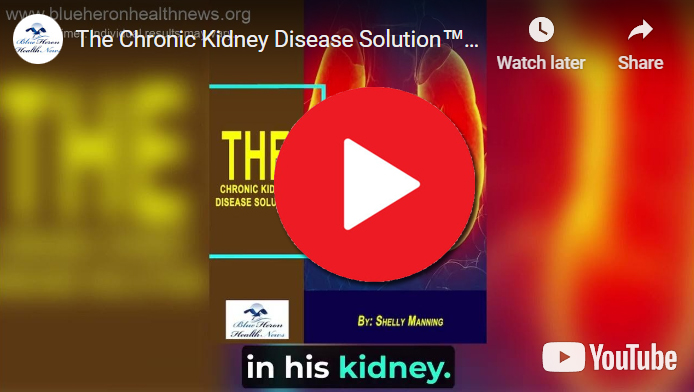
The Chronic Kidney Disease Solution™ by Shelly Manning It is an eBook that includes the most popular methods to care and manage kidney diseases by following the information provided in it. This easily readable eBook covers up various important topics like what is chronic kidney disease, how it is caused, how it can be diagnosed, tissue damages caused by chronic inflammation, how your condition is affected by gut biome, choices for powerful lifestyle and chronic kidney disease with natural tools etc.

I’m Mr.Hotsia, sharing 30 years of travel experiences with readers worldwide. This review is based on my personal journey and what I’ve learned along the way. Learn more |